
Sleep & mood
Poor sleep, waking often, anxiety
Discuss your sleep patterns, changes in mood and any other symptoms.
A consultation in English. Care chosen together.
Curious about Traditional Chinese Medicine (TCM), or looking for help with sleep, digestion or recurring discomfort? Talk through your concerns with an English-speaking doctor, understand their recommendations, then decide whether to proceed.
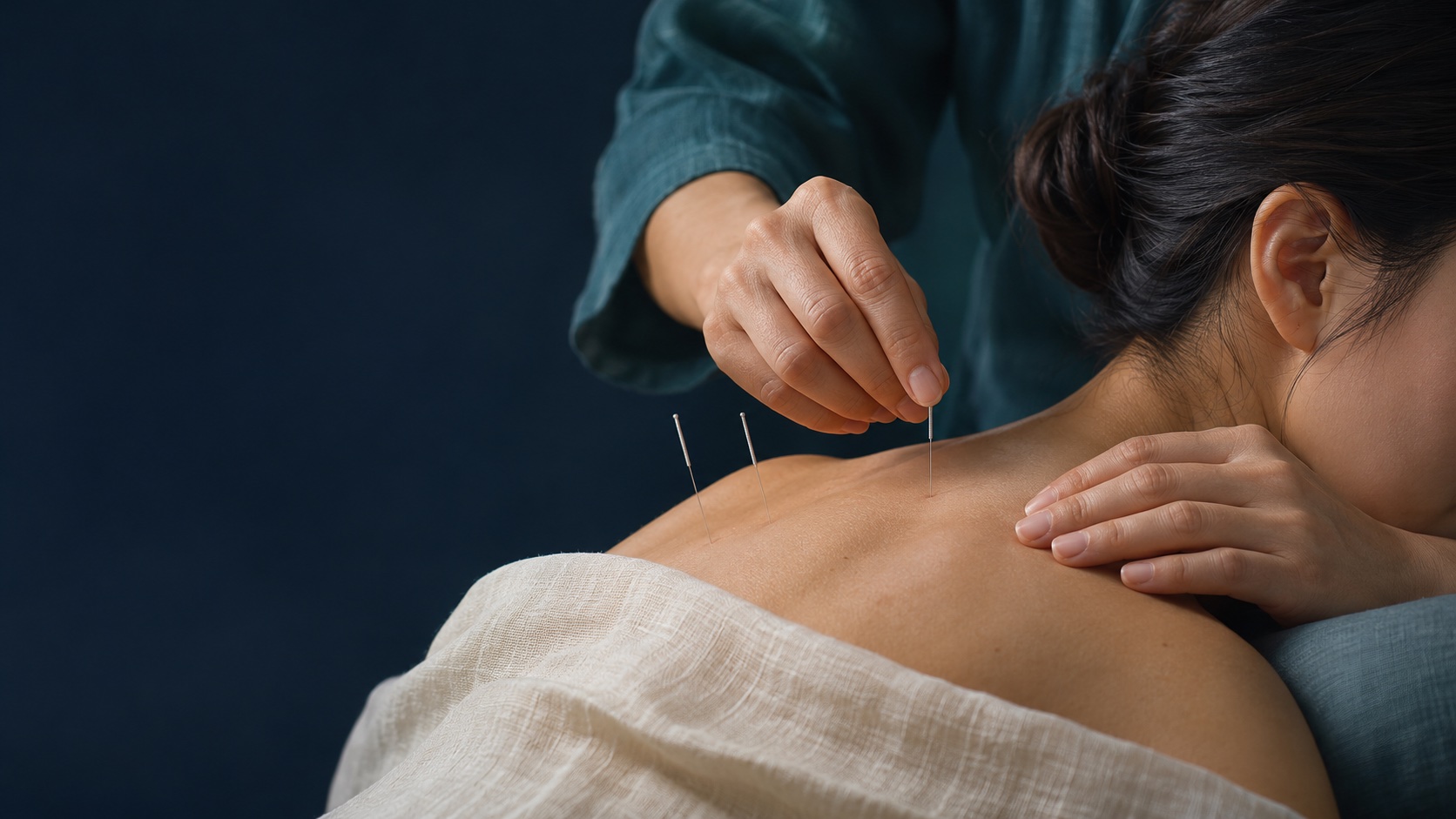
Speak directly with a doctor in English
Understand your options before treatment
Book with LokBuddy · Connect on WeChat
You do not need to choose a treatment first. Start with what is bothering you.
Meet the doctorsPoor sleep, waking often, anxiety
Discuss your sleep patterns, changes in mood and any other symptoms.
Bloating, irregular bowel habits
Look at your diet, abdominal discomfort and changes in bowel habits together.
Period discomfort, menopause
Discuss your cycle, related symptoms and possible approaches to care.
Acne, pigmentation and other concerns
Start with your skin symptoms, medical history and daily routine.
Neck, shoulder or back discomfort
Discuss how the problem began and affects movement before considering acupuncture or tui na.
Weight, diet and daily routines
Review your routines and previous test results to discuss an appropriate approach.
These are selected areas listed in the clinic’s doctor profiles. A doctor will assess whether a consultation or treatment is appropriate and whether further tests are needed.
The doctors for this service can consult in English.
Describe your symptoms, ask questions and understand the reasons behind each recommendation.English is available for the doctor’s consultation. Please confirm language support for reception and treatment with the clinic.
The clinic assigns your doctor according to availability. Booking a specific doctor is not offered.
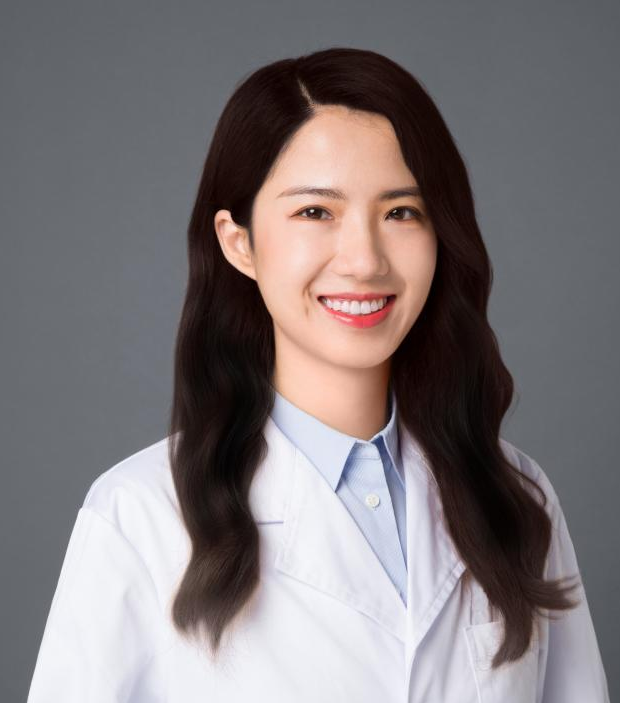
Attending physician · Acupuncture
Shanghai University of Traditional Chinese Medicine
Master’s degree in clinical integrated Chinese and Western medicine
Previously worked at Shanghai Seventh People’s Hospital, affiliated with Shanghai University of Traditional Chinese Medicine, and Yangzhi Rehabilitation Hospital.
Clinical interests include acupuncture and rehabilitation, sleep and mood, women’s health, skin concerns and weight management.
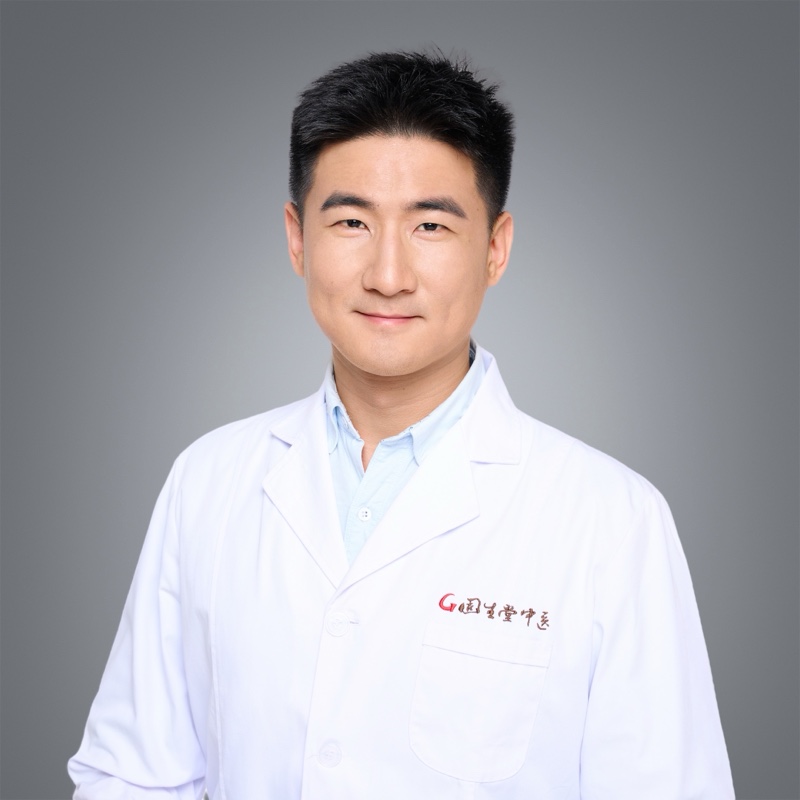
Licensed Chinese medicine practitioner · Acupuncture, tui na & internal medicine
Graduate of Fujian University of Traditional Chinese Medicine
Further training at Guang’anmen Hospital, Beijing
A background in acupuncture, tui na and Chinese internal medicine.
Clinical interests include digestion, sleep, women’s health, skin concerns, pain and mobility.
Founded in Guangzhou in 2010 and listed on the Hong Kong Stock Exchange in 2021 (02273), Gushengtang operates a Chinese medicine clinic network and collaborates with Chinese medicine hospitals and universities.
At the end of 2025, the group had 101 clinics across 21 Chinese cities and Singapore, with more than 24 million visits to date. Your appointment will be at a partner clinic in Shanghai.
Group figures as of the end of 2025. Source: Gushengtang’s corporate introduction.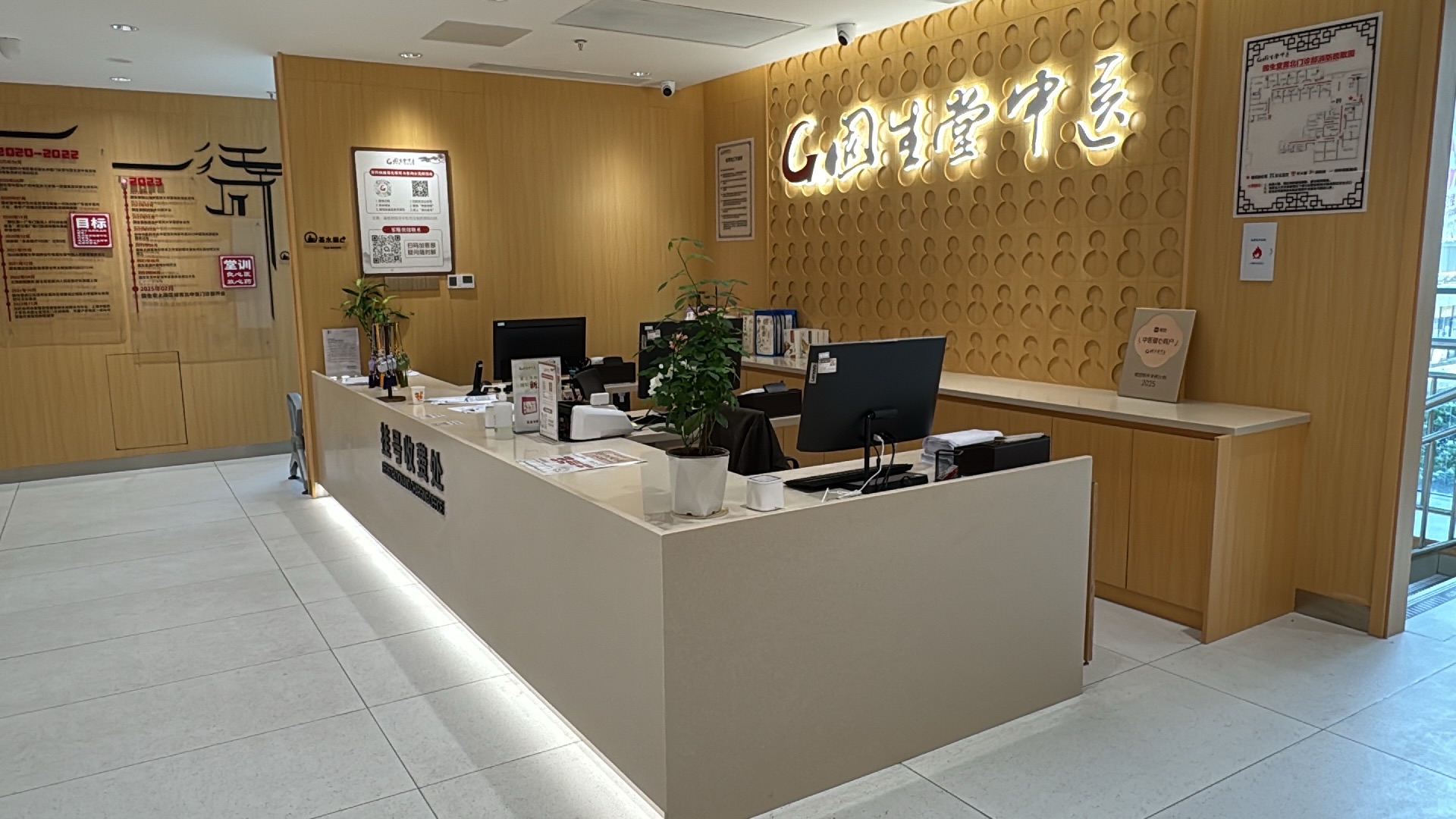
Similar symptoms can have different causes. Your doctor brings together your symptoms, daily habits, medical history and examination findings before discussing suitable options.
Observation, listening, questions and touch.
Different clues, considered together.
Your doctor observes your complexion, general appearance and tongue.
Your voice, breathing and relevant odours can provide further clues.
Discuss symptoms, sleep, diet, medical history and current medicines.
Pulse examination and palpation add to the information gathered during your consultation.
Understanding comes first.
Recommendations follow.
Your doctor explains the proposed treatment, costs and precautions. You decide whether to proceed. Further tests may be recommended when needed.
Select a method to learn what it involves. Your doctor assesses suitability; the clinic confirms available services and fees.
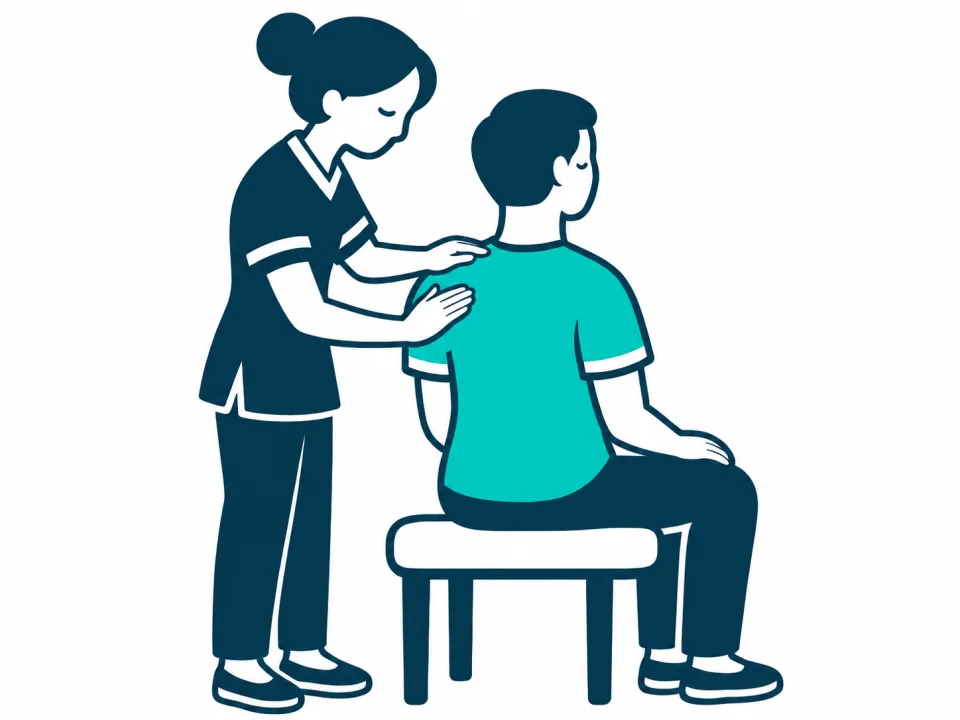
Hands-on techniques for muscle and joint concerns.
Tui na uses pressing, kneading and pushing techniques for concerns such as muscle or joint pain and strains. Your practitioner chooses the area and pressure according to your condition. Tell them how it feels throughout.
What does it feel like? Rhythmic pressure and kneading. Ask for the pressure to be adjusted.More pain does not mean better results. Mention previous injuries or osteoporosis beforehand.
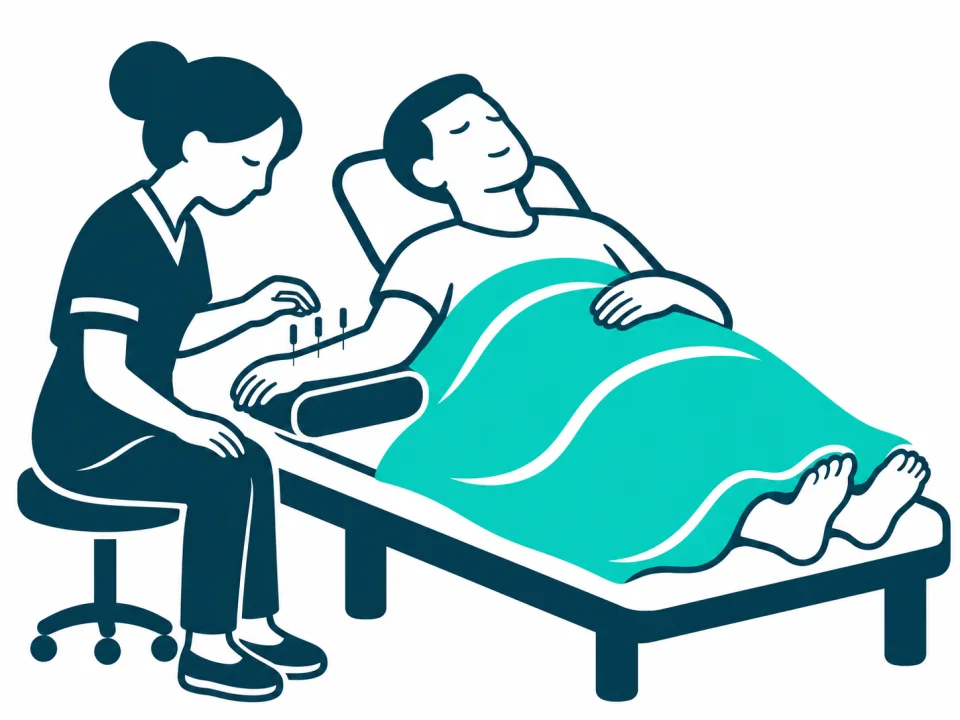
Fine needles used as a non-drug option for some types of pain.
Research supports acupuncture for relief of some lower back, neck and knee pain. Your doctor will assess whether it is suitable and discuss a course of treatment. Results vary by condition.
What does it feel like? A brief prick may be followed by aching, heaviness or mild tingling.Mention needle anxiety, bleeding problems or blood-thinning medicines, and report significant pain promptly.
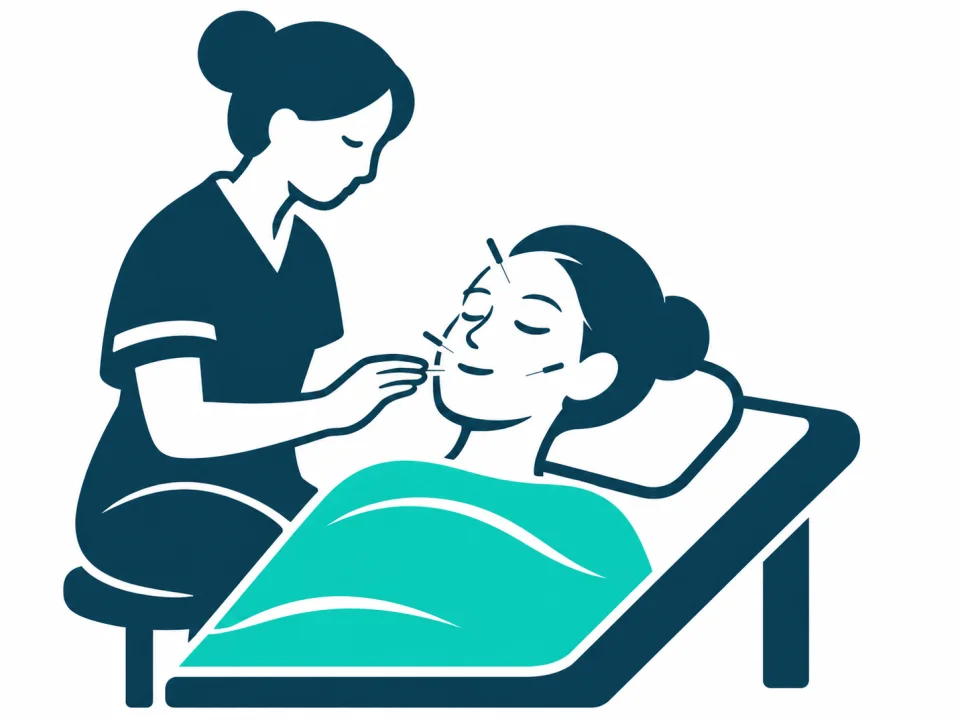
An approach to discuss for skin tone and fine lines.
Fine needles are used at selected facial points. If you have concerns about dullness, fine lines or skin laxity, discuss them during your consultation. Your doctor considers your skin, medical history and expectations before advising.
Expect brief needle sensations. The treatment plan and number of sessions vary.
Mention easy bruising, broken skin or recent cosmetic procedures. Results from a single session are not guaranteed.
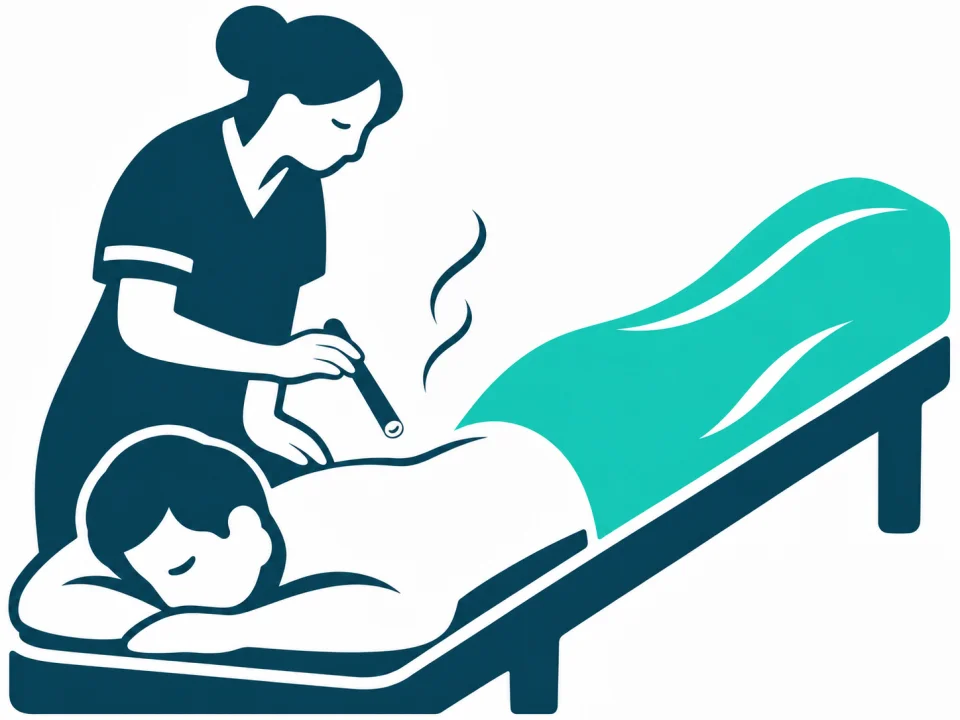
Gentle heat applied to selected areas.
Moxa produces heat and is traditionally used for some abdominal or joint pain associated with what Chinese medicine calls “deficiency-cold” patterns. A doctor first assesses suitability and selects the method and areas.
Expect gradually increasing warmth in the area.
Traditional use does not guarantee benefit. Report excessive heat or pain immediately to avoid burns.
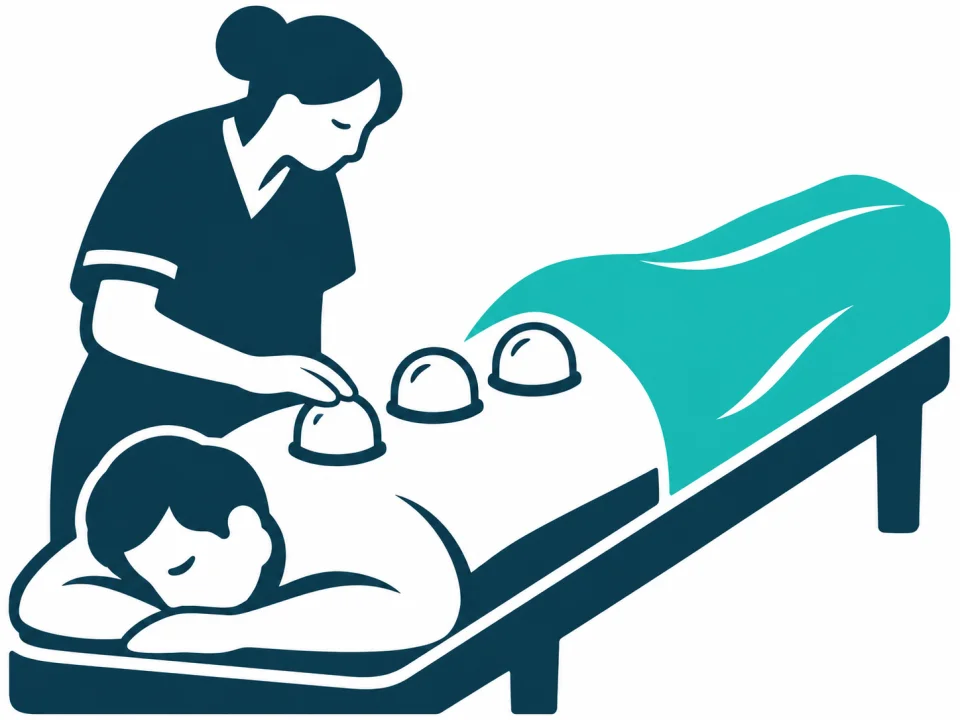
Suction applied to selected areas.
Cups create suction on the skin, a traditional approach used for some pain conditions. Your doctor determines whether it is appropriate, where to apply it and for how long.
Expect a pulling sensation. Temporary marks may remain.
Evidence of benefit is limited. Darker marks do not indicate better results or “detoxification”.
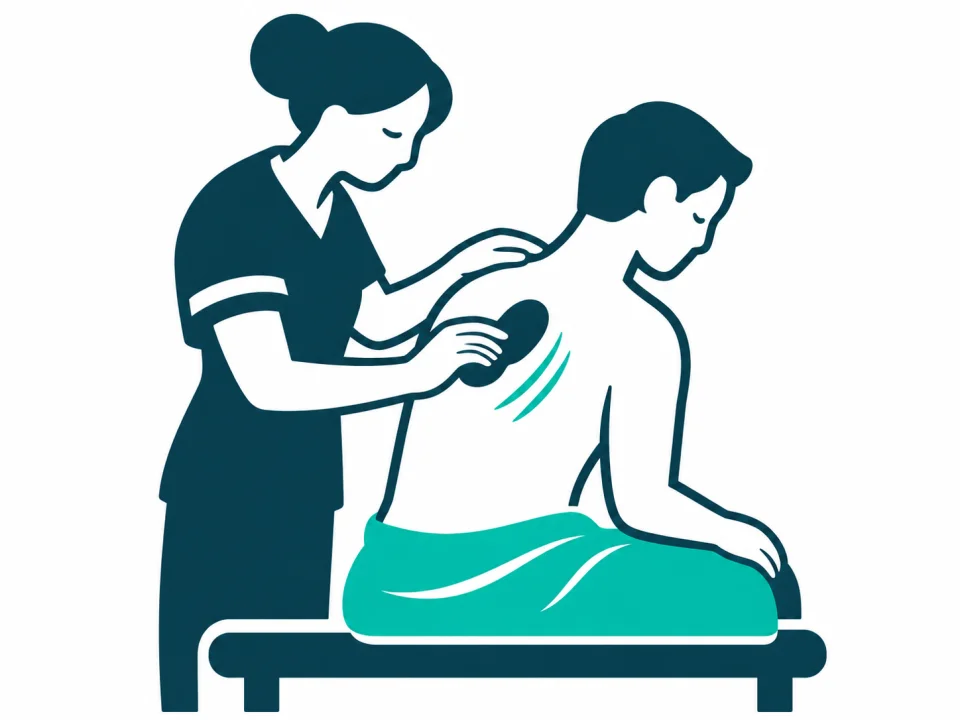
Stroking techniques for areas of tension or discomfort.
A smooth-edged tool is stroked over a lubricated area of skin. Ask your doctor whether this approach is suitable for muscle soreness or shoulder and back tension.
Expect a stroking or friction sensation, with possible temporary red marks.
Redder skin does not mean better results. Mention broken skin or a tendency to bleed beforehand.
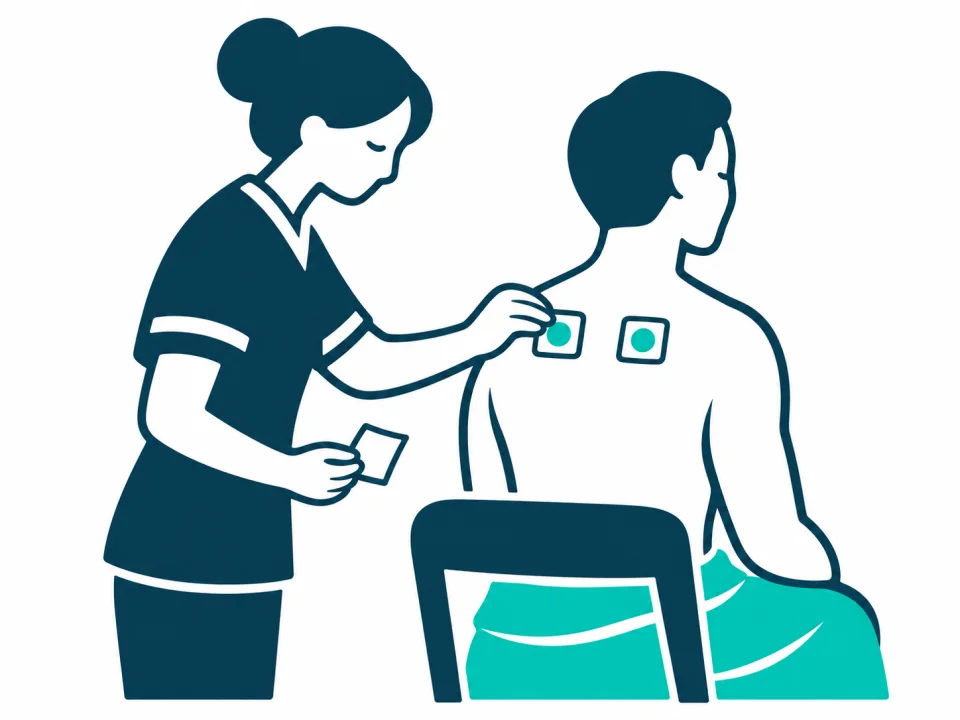
Herbal preparations applied to selected points.
Herbal preparations are applied to selected acupuncture points. They may be used alongside other care for some pain, digestive or respiratory concerns, depending on the preparation and diagnosis.
Follow the clinic’s instructions and remove the patch at the specified time.
Mention allergies to medicines or adhesives. Contact the clinic if you develop significant stinging or a rash.

A prescription based on your consultation.
Discuss sleep, digestion or other concerns. Your doctor will decide whether medicine is appropriate and explain its purpose, how to take it and when to return.
Take medicines as prescribed. Ask the clinic about preparation services for herbal decoctions.
Bring a list of current medicines so interactions can be checked. Uses and effects vary between prescriptions.
Absorbable threads are inserted at selected acupuncture points to provide ongoing stimulation. This may be considered as part of weight management alongside diet, activity and follow-up. Suitability depends on your health and travel plans.
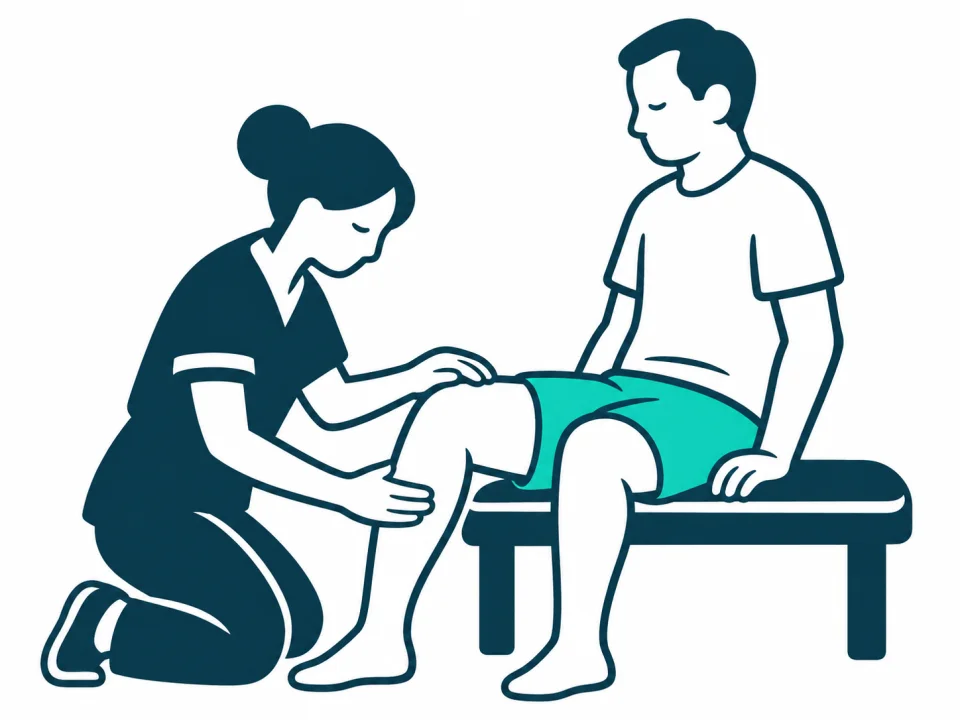
For restricted movement or discomfort after an injury, a doctor first examines you and considers whether manual treatment, further tests or a referral is appropriate. Not all pain calls for joint manipulation.
Plan before you travel.
Let the clinic guide your visit.
Tell us who is visiting and your preferred date and time.
We check the clinic’s availability and confirm your appointment.
We set up a WeChat group. The clinic contacts you with arrival instructions.
Start with a consultation, then decide whether to proceed with treatment or medicine.
Tell reception you have an appointment. Staff will check your identity and register your visit. You then meet the doctor, discuss recommendations, fees and precautions, and decide how to proceed.
Choose a time that fits your stay.
The clinic confirms the final appointment.
Shanghai time (UTC+8). Request at least 24 hours ahead. Wednesdays and Sundays are currently unavailable.
The clinic contacts you on WeChat. Please provide a searchable WeChat ID and allow people to find you by it. Enter a WeChat ID that can be searched and added as a contact, not a nickname or a wxid_ code. WhatsApp is optional and does not replace this requirement.
The doctors for this service can consult in English. We confirm the appointment with the clinic. Language support during treatment must be confirmed separately; LokBuddy does not provide on-site interpreting or an accompanying guide.
Please wait for clinic confirmation. You will receive the clinic location, confirmed time and any preparation instructions.
Do not upload passport photos or medical records here. Provide identity and medical documents directly to the clinic as instructed. The clinic handles medical questions and follow-up care.
Cancel a confirmed appointment at least 24 full hours before its start for a full refund of the USD 9.90 booking fee. Cancellations with less than 24 hours’ notice and no-shows are non-refundable. If the clinic cannot arrange your appointment, the booking fee is refunded in full. Rescheduling requires clinic confirmation. All deadlines use Shanghai time (UTC+8).
Request a change through Manage booking or contact LokBuddy. Our team reviews the request and confirms the outcome. Clinic charges are separate. Read the Cancellation and Refund Policy.
LokBuddy is responsible for booking assistance and appointment coordination. Medical services are provided by, and are the responsibility of, the relevant medical institution.
Read the Medical Appointment Booking Disclaimer